Trim off a week of camping with these hacks
You’ll learn concrete ways to cut campsite fees without sacrificing comfort, using gear tricks, membership hacks, and smart reservation tactics. Most guides gloss over hidden fees and assume expensive parks are the only option.
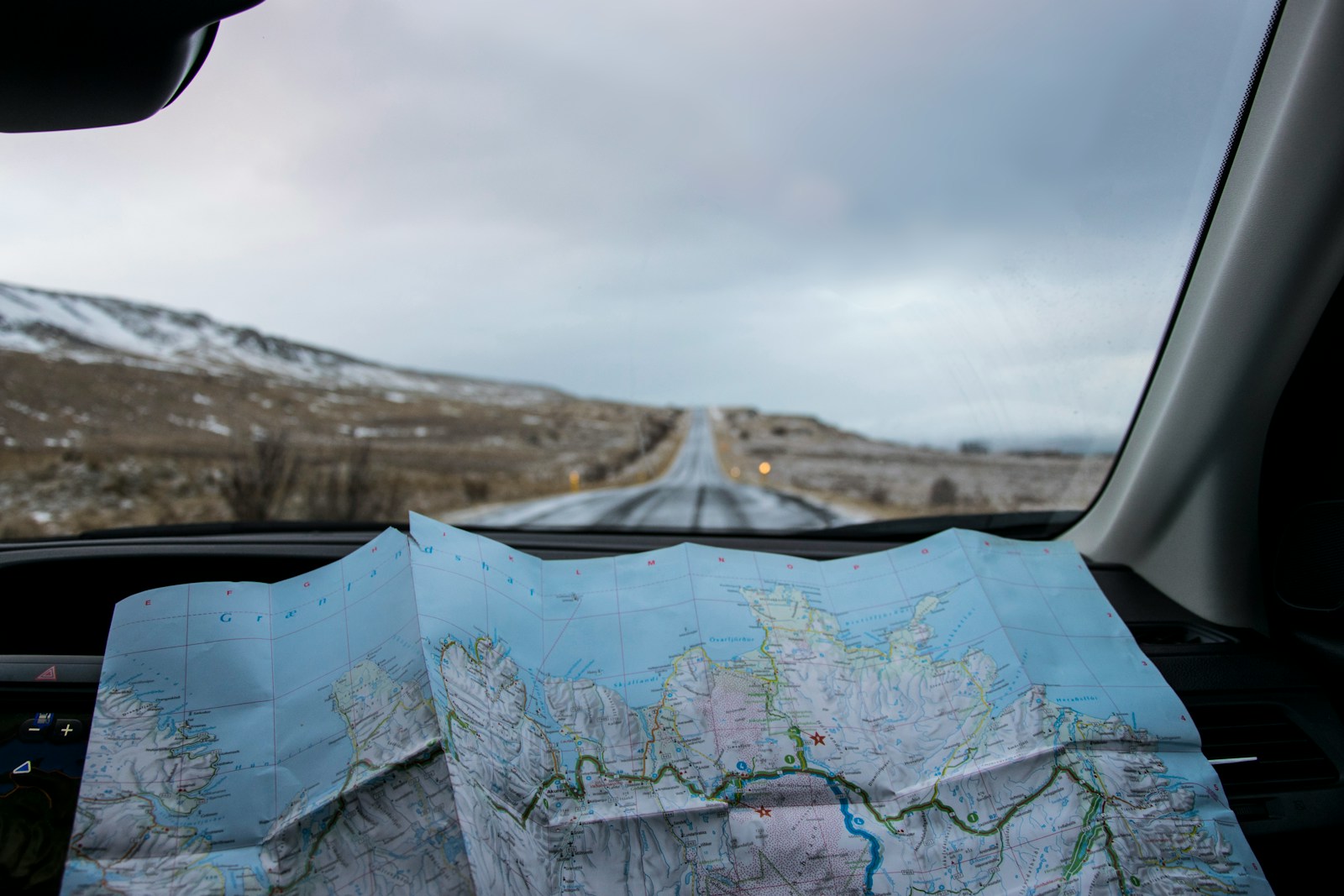
You pull into a state‑run campground, see the sign that reads $35‑$45 per site, and wonder whether the extra dollars will buy you a pillow‑top mattress or just a better view. The tension between a tight budget and the desire for a night that feels like a hotel room is the same on every mile of highway, and the difference often comes down to a handful of decisions most riders skim over.
Can cheap sites still deliver a king‑size sleep?
State parks usually charge a flat nightly rate that includes a fire ring and a picnic table, but they seldom provide electricity or water hookups. A quick scan of the park’s map will reveal that a few spots near a lake or a trailhead command the higher end of the price band, while more secluded corners sit near the bottom. Choosing the lower‑priced locations forces you to bring a portable water jug and a battery‑powered LED strip, yet the trade‑off is a quieter night and a view that most high‑priced sites lack.
Private RV parks often bundle amenities—full hookups, Wi‑Fi, shower houses—into a single fee that can balloon past $70. Many riders assume those parks are the only places with reliable power, but a compact solar panel paired with a deep‑cycle battery can replace a grid connection for under $150 in initial outlay. Once the kit is in the bag, the nightly cost drops to the park’s base rate, and the extra comfort of a personal power source lasts the entire trip.
What hidden fees creep in before the first campfire?
Reservation platforms sometimes tack on a processing surcharge that ranges from a couple of dollars to a ten‑percent markup on the advertised rate. The fee appears on the receipt, not on the campsite’s sign, and it can turn a $30 night into a $33‑$35 reality. Checking the final total before you click “confirm” saves a small but noticeable amount over a multi‑day stay.

Firewood is another surprise; most parks require you to purchase it on‑site, and the price can be as high as $15 for a bundle that barely lasts a night. Buying seasoned wood in a nearby town before you arrive usually cuts the expense in half and guarantees dry logs for the stove. Likewise, dump stations for gray water often charge per use, with rates hovering between $5 and $10, so planning a single dump stop for the entire trip avoids repeated fees.
How a simple gear tweak shaves $20‑$50 off each night?
Swapping a heavy canvas tent for a lightweight tarp‑only shelter can reduce the rental cost of a campsite that charges extra for tent footprints. The tarp spreads over a low‑profile sleeping pad, and a set of guy lines keeps it taut even in gusty desert winds. The initial purchase sits around $30‑$40, but the savings accumulate after the first night.
A compact propane camp stove replaces the need for a park’s shared grill, which often carries a usage fee. Modern single‑burner models run on 16‑ounce canisters that cost $5‑$8 each and last three to four meals, making the stove a cheaper alternative to paying $10‑$12 per night for a communal cooking area. Pair the stove with a reusable silicone pot, and you eliminate disposable cookware expenses entirely.
Which apps and memberships turn a $30 nightly rate into a free stay?
A national park annual pass, priced in the low‑four‑figure range, instantly waives entry fees for thousands of sites, but it does not cover campsite reservations. However, many state parks honor the pass for campsite fees up to a certain threshold, effectively reducing a $25 spot to $0 for members. The pass pays for itself after just a handful of visits.
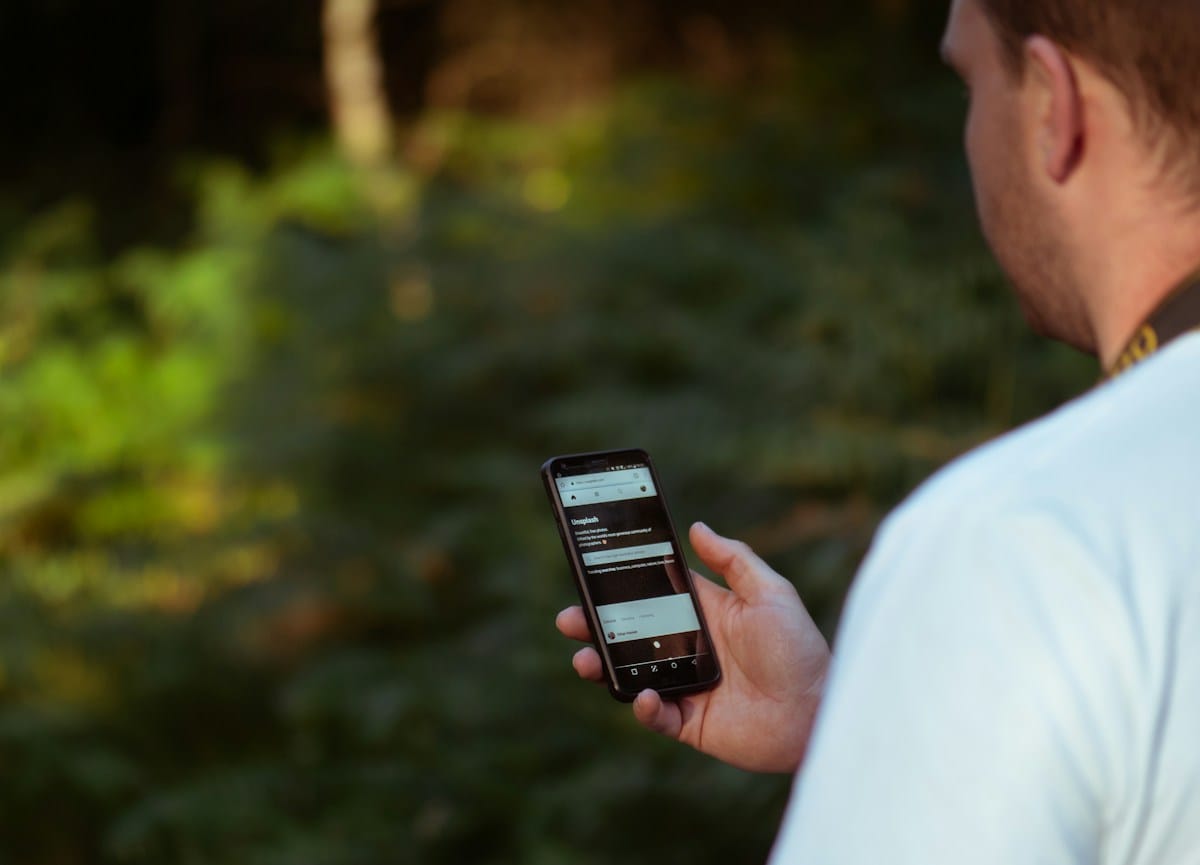
Free‑camping apps such as iOverlander, Campendium, and The Dyrt aggregate user‑submitted locations where you can park overnight without paying a dime. Filters let you target spots with electrical access, water, or level ground, and the community ratings warn you about recent closures or noisy neighbors. Downloading the offline maps before you head into a cell‑dead zone ensures you can locate a free spot even when the signal disappears.
Discount clubs like Good Sam or Passport to Camping offer reduced nightly rates at participating private parks, sometimes slashing fees by 30‑40 percent. Memberships usually require an annual fee, but the calculation works out favorably if you plan more than ten nights of paid camping in a season. The clubs also provide a mobile app that speeds up the check‑in process, saving valuable time on the road.
Practical action steps: budget breakdown for a 7‑day road trip
- Campsite fees – Aim for a mix of state park sites ($35‑$45) and free dispersed spots (0). A realistic average lands around $25 per night, totaling $175 for the week.
- Fuel for a 2,500‑mile loop – At 45 mpg and $3.80 per gallon, expect a range of $210‑$230.
- Food supplies – Bulk grocery purchases and a portable stove keep meals between $8‑$12 per day, resulting in $56‑$84.
- Gear amortization – Divide the cost of a solar panel kit ($150) and a tarp shelter ($40) by the number of trips you anticipate; for three trips, add $63‑$70 to the budget.
- Miscellaneous – Reserve $30‑$50 for occasional dump fees, firewood, or a last‑minute paid site.
Add the line items, and the total sits in the $530‑$620 window, a stark contrast to the $800‑$1,000 range quoted by many travel blogs that assume full‑service RV parks for every night. Adjust the mix of free and low‑cost sites, and the overall expense drops even further, proving that comfort and savings are not mutually exclusive.
What to double‑check before you hand over cash
- Verify that the reservation system lists the exact amenities you need; a site advertised with “electric” may actually be a limited 120‑volt hookup that can’t charge a battery pack.
- Review the cancellation policy; many parks impose a 50‑percent charge if you cancel within 48 hours, while others offer a full refund up to 24 hours before arrival.
- Confirm pet rules; a site that appears pet‑friendly on a map might charge a $10‑$15 daily fee or restrict leash lengths, which can affect your packing list.
- Ensure the payment method is accepted; some remote campgrounds only take cash on arrival, so having a small envelope of bills prevents surprise detours to the nearest town.
By ticking these boxes before you sign the receipt, you protect yourself from surprise charges and keep the focus on open road horizons, not on a ledger of unexpected expenses. Safe riding, and enjoy the night sky without the price tag.
Keep reading
How to Ride Every State Fair in 60 Days Without Going Broke
This guide shows you how to string together all 50 state fairs in a two‑month summer loop without draining your wallet or your stamina. Most itineraries ignore the overlapping fair dates and the hidden costs of bike maintenance, leaving riders stranded or bankrupt.