Night‑Riding 120‑Mile Gaps: Light, Route & Eye‑Care Hacks
Learn how to stitch together safe night miles without draining your wallet. Most guides skip the hidden cost of glare, fuel deserts, and eye fatigue.
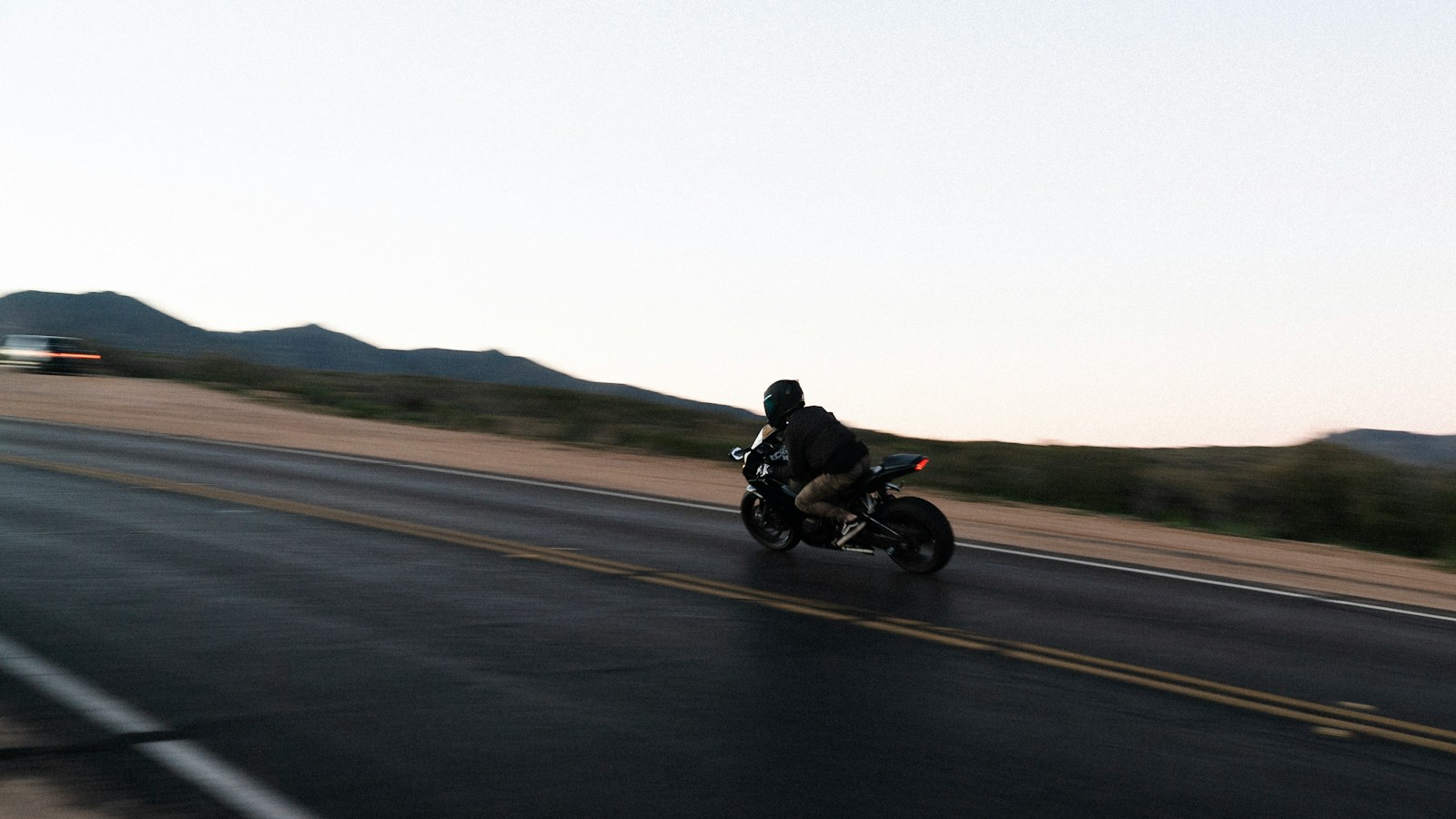
Riding after sunset feels like flirting with a dark river: the current is invisible, the banks are slippery, and the cost of a slip can be measured in dollars, paperwork, and sleepless nights. Skipping a single mile of well‑lit highway can double fuel expenses, force an unplanned stop in a town without 24‑hour service, and leave you squinting into oncoming headlights that seem to blaze like floodlights.
Can a 150‑Mile Stretch Turn a Night Ride Into a Money Pit?
When the map shows a 150‑mile stretch between the last illuminated exit and the next town, the temptation to power through is strong. The reality is that a single fuel stop on a two‑liter tank often costs more than the gas you’d save by cutting corners, especially when prices climb in remote counties. Adding a cheap portable canister to your bag costs a few dollars and buys you the freedom to pull over at a 24‑hour gas station without hunting for a neighbour’s driveway.
Beyond fuel, the lack of services means you’re also hunting for restrooms, food, and warm water. A single fast‑food stop after midnight can add another ten bucks to the bill, while an empty stomach makes every mile feel heavier. Planning a “break‑every‑100‑miles” rule eliminates the surprise of a dead‑end and keeps your budget from ballooning unexpectedly.
Why Cheap LED Bars Often Miss the Mark at 30 MPH
A $30 LED strip glued to the fairing might look impressive in the shop, but at 30 mph the light spreads too thin to cut through fog or rain. Properly aimed auxiliary units use a focused 1,000‑lumens head that throws a crisp cone out to at least 500 feet, giving you enough reaction time to avoid stray livestock or a sudden curve. Legal limits in most states cap auxiliary brightness at 2,000 lumens, so overspending on a 5,000‑lumens monster won’t earn you extra safety.
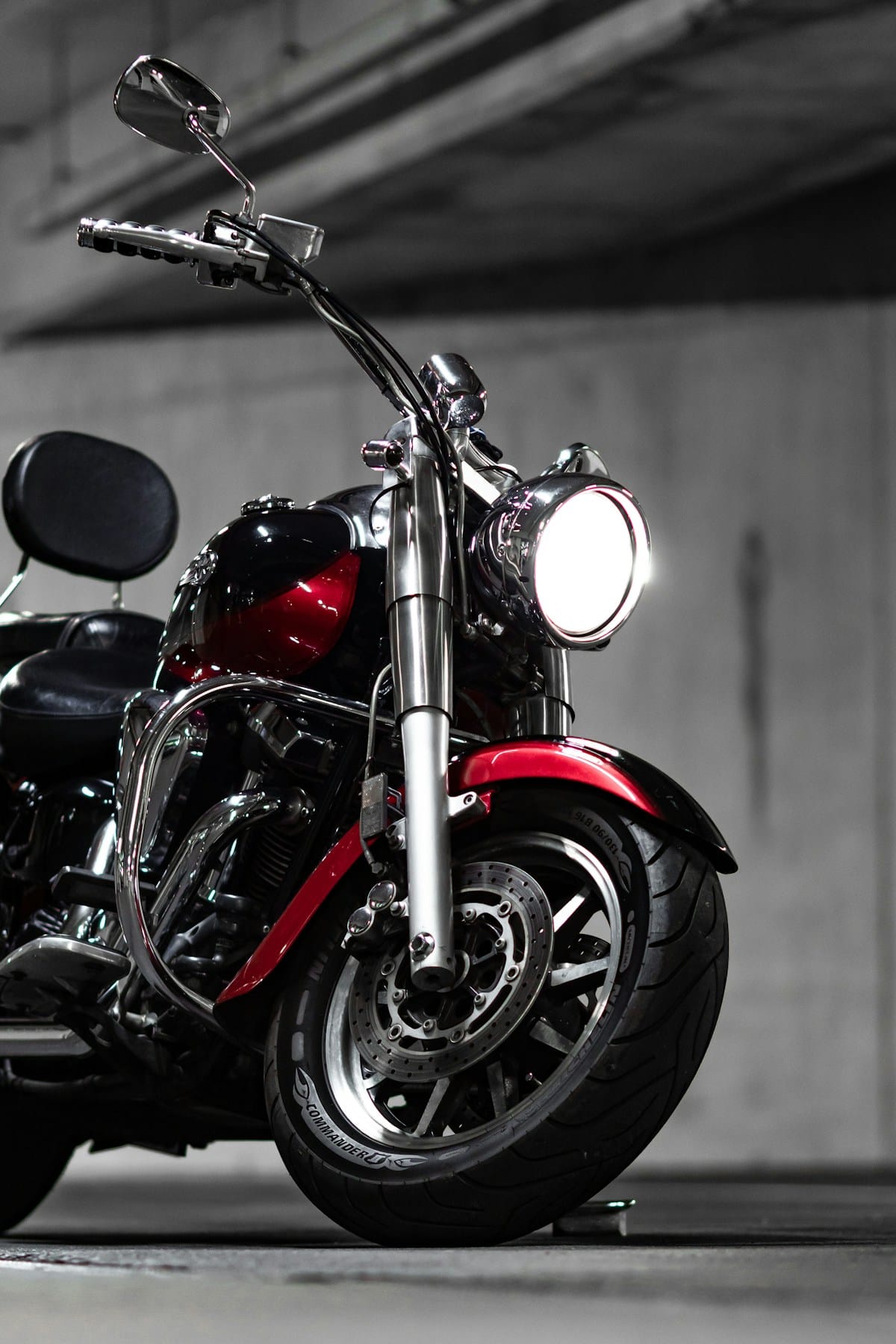
Placement matters more than wattage. Mounting a bar too low creates glare that reflects off the visor, while a high‑mounted unit can be seen over the rider’s shoulder and warns drivers behind you. A simple aluminum bracket adds a few dollars but lets you angle the beam upward by ten degrees, a tweak that clears most blind spots without blinding oncoming traffic.
Do Your Eyes Need a Night‑Ride Prescription?
After a few weeks of riding through dusk, many riders notice that reading road signs feels like deciphering a billboard through a rain‑soaked window. A pair of photochromic lenses that darken at 200 lux can reduce eye strain by up to 30 percent, but only if the lenses are truly anti‑reflective. Cheap sunglasses often add a mirrored surface that bounces headlight glare straight into the cornea, worsening the problem instead of easing it.
Eye drops formulated for dry‑air environments keep the tear film stable during long stretches of highway where wind pressure dries the surface. Applying a drop before you hit the first rest stop and reapplying after a hundred miles keeps vision crisp without the need for a costly ophthalmology visit. Remember that a single night‑time ride without proper protection can leave you with lingering halos for days.
What Gear Costs Won’t Kill Your Budget?
- Auxiliary light kit – a reputable 1,200‑lumens unit with a mounting bracket runs between $70 and $130. Adding a waterproof housing bumps the price by another $20‑$30.
- Photochromic visor or goggles – entry‑level models sit around $50, while high‑end options with anti‑reflective coating hover near $150.
- Portable fuel canister – a 1‑gallon collapsible container costs $15‑$25; a heavy‑duty steel version starts at $35.
- Digital map subscription for offline use – yearly plans range from $30 to $60, offering turn‑by‑turn voice prompts without relying on spotty cell towers.
- Eye‑care drops – a 10‑ml bottle of lubricating solution is typically $8‑$12, enough for multiple trips across the continent.
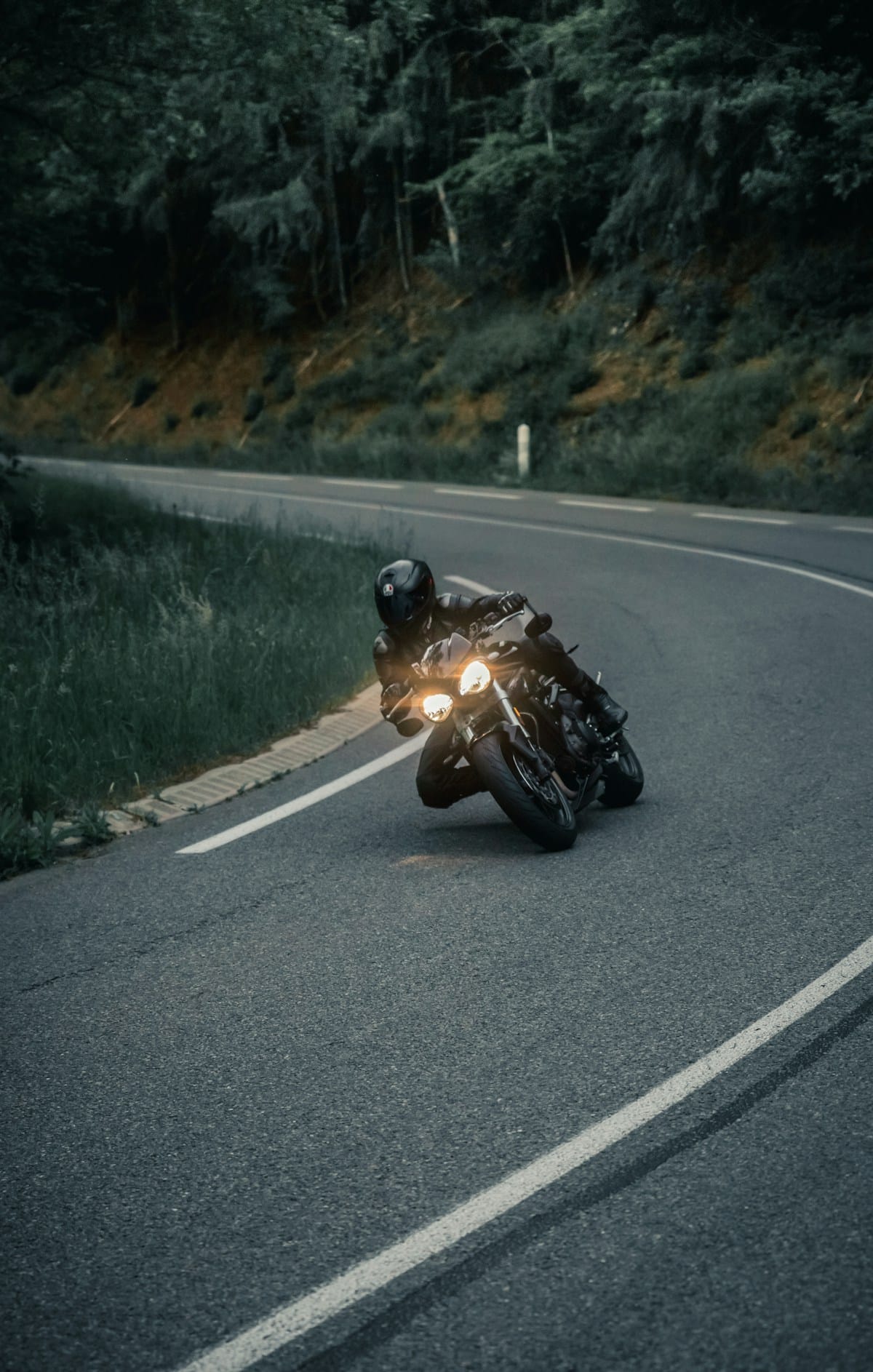
All of these items can be purchased second‑hand, shaving a third off the top end. If you already own a basic LED bar, swapping the diffuser for a clear polycarbonate lens adds roughly $10 and improves beam focus dramatically.
How to Test a Route Before Dark?
Spend a daylight afternoon driving the same miles you intend to cover after sunset. Note where the pavement transitions from smooth asphalt to gravel, and mark any sharp switchbacks that lose sight of the road at night. Use a smartphone GPS to record speed and fuel consumption, then compare those numbers to the estimates you gathered from forums. This real‑world data prevents you from relying on optimistic averages that ignore hill climbs.
During the test run, pull into a 24‑hour diner or service station at the halfway point. Check whether the venue offers clean restrooms, a coffee machine that actually works, and a reliable Wi‑Fi hotspot for uploading your route to a cloud backup. If any of those elements are missing, scout an alternative stop that meets the same criteria before you hit the dark.
What to Double‑Check Before You Hand Over Cash
Verify that the seller of any lighting kit provides a warranty covering both electrical failure and water ingress; a five‑year warranty is common, but some vendors only offer a 90‑day return window. Confirm that the photochromic lenses you’re eyeing meet the ANSI Z80.3 standard for impact resistance, a detail often omitted from product blurbs. Finally, make sure your fuel canister has a UL‑listed valve; unapproved valves can leak under pressure, turning a convenient stop into a hazardous spill.
By cross‑checking these three items, you avoid the hidden expenses that turn a dream night ride into a costly repair shop visit.
Keep reading
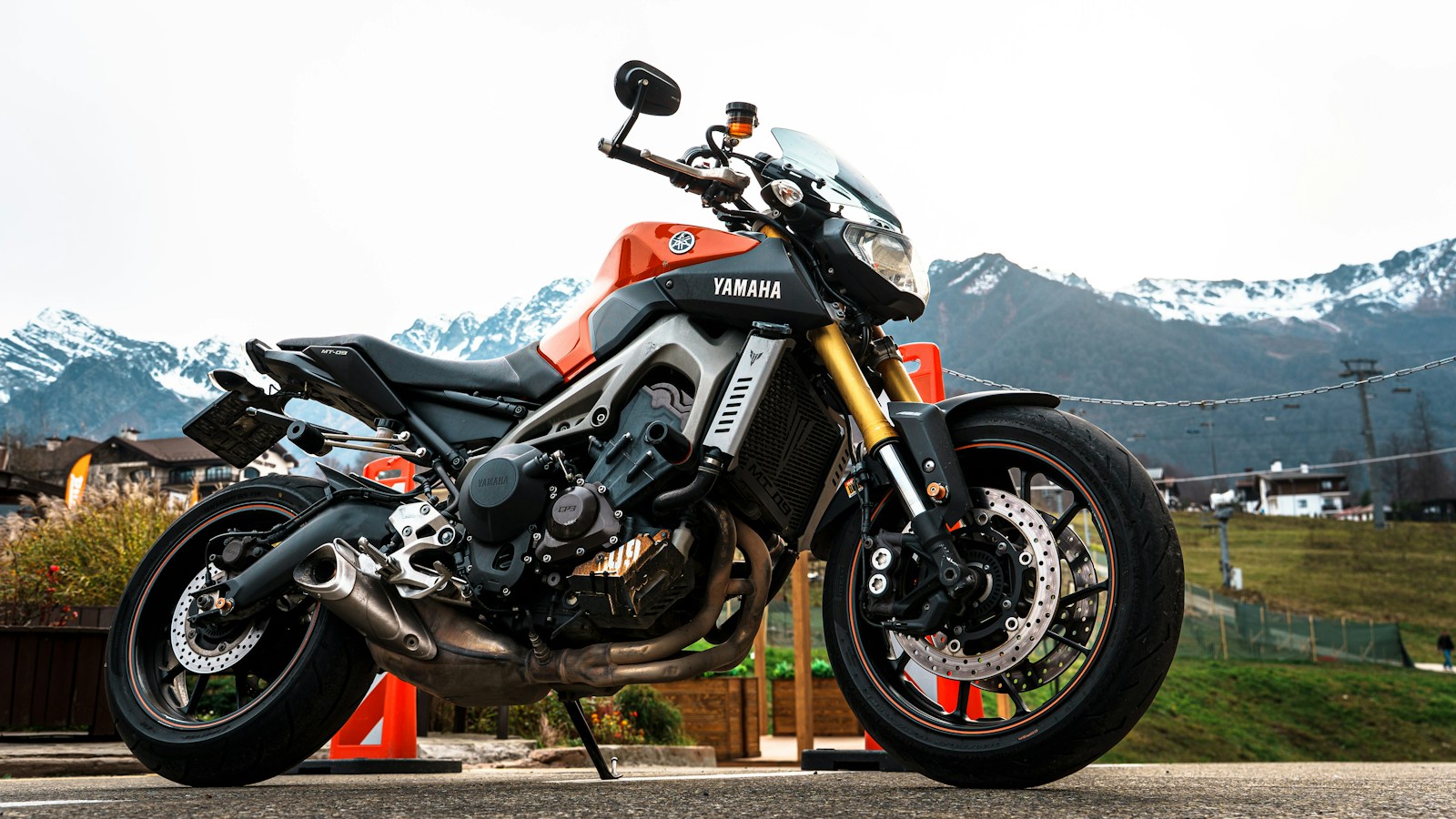
8 Fuel Stops That Keep a Bagger Alive From Rockies to Gulf
Learn the exact points where fuel runs thin between high desert and humid shoreline, and why typical guidebooks miss the hidden dry zones. Most itineraries assume endless pumps; this route forces you to respect geography, not mileage.